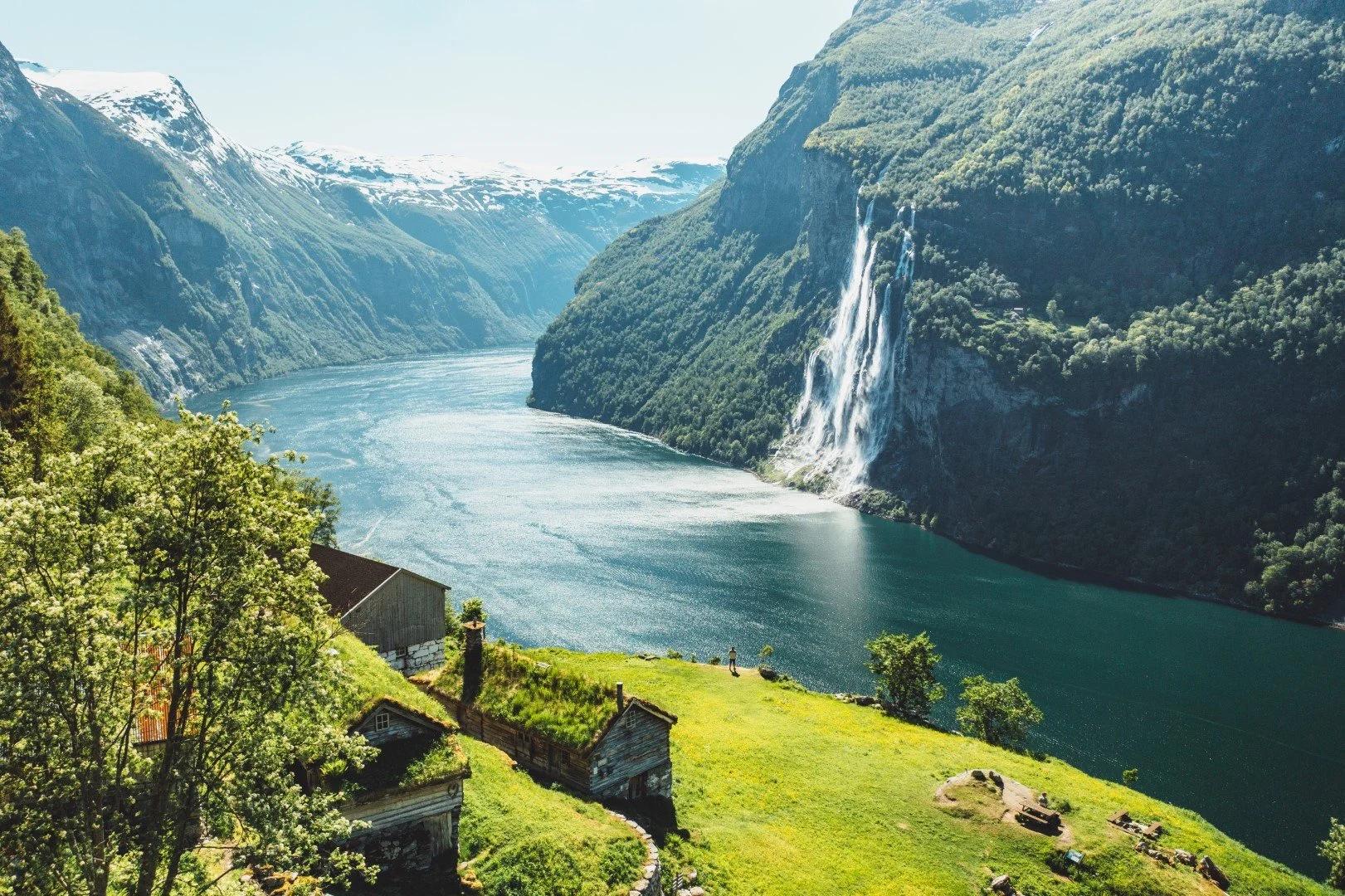
UNESCO World Heritage Site
Wonderful Geiranger
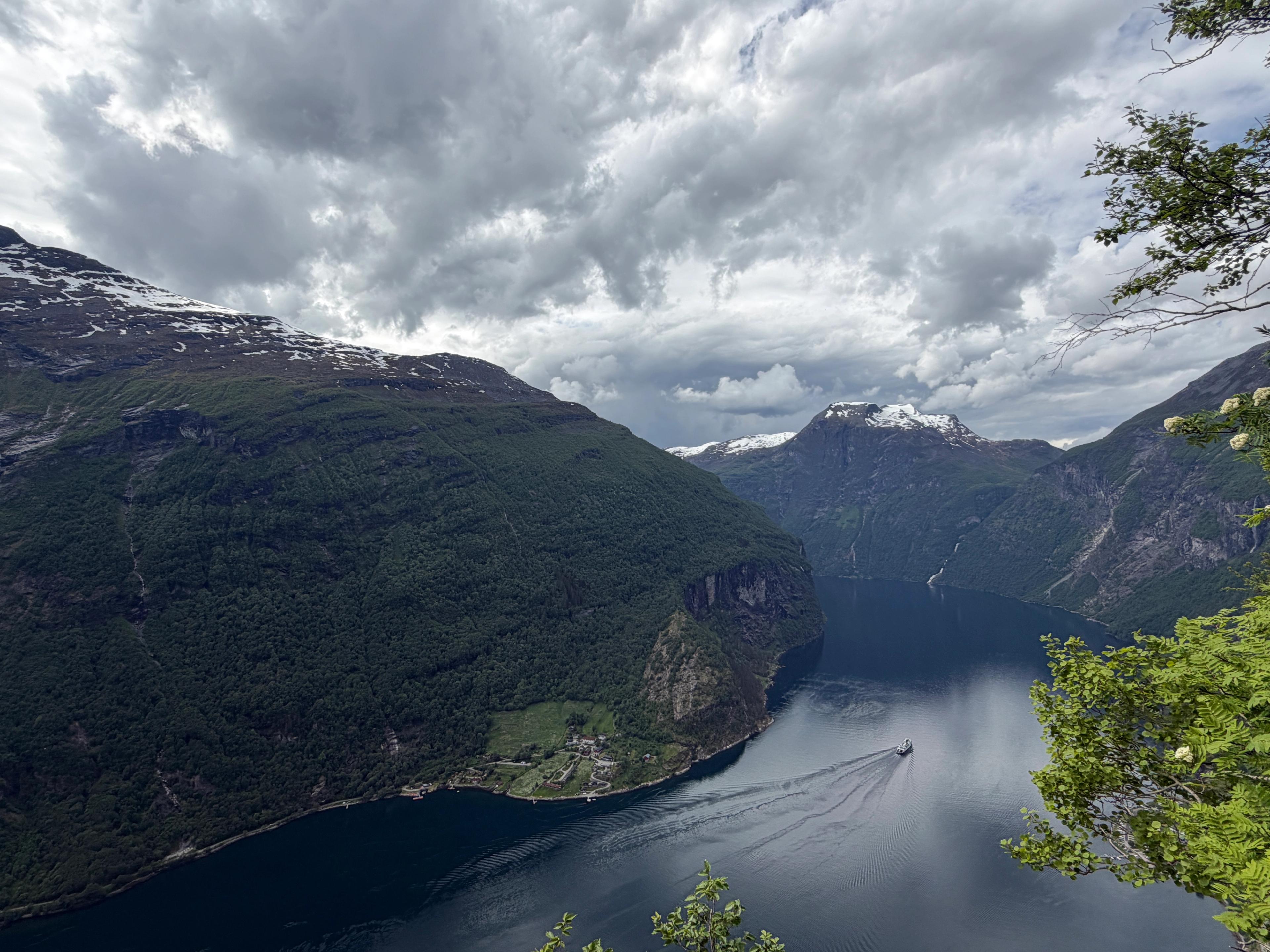
Geiranger is one of the most famous travel destinations in Norway. Here, the deep fjord meets steep mountainsides, powerful waterfalls, and viewpoints that have fascinated travelers for generations. In 2005, the Geirangerfjord was added to UNESCO’s World Heritage List as one of the world’s most valuable fjord landscapes. The village has long traditions in tourism and warm hospitality.
The world’s most beautiful fjord landscape
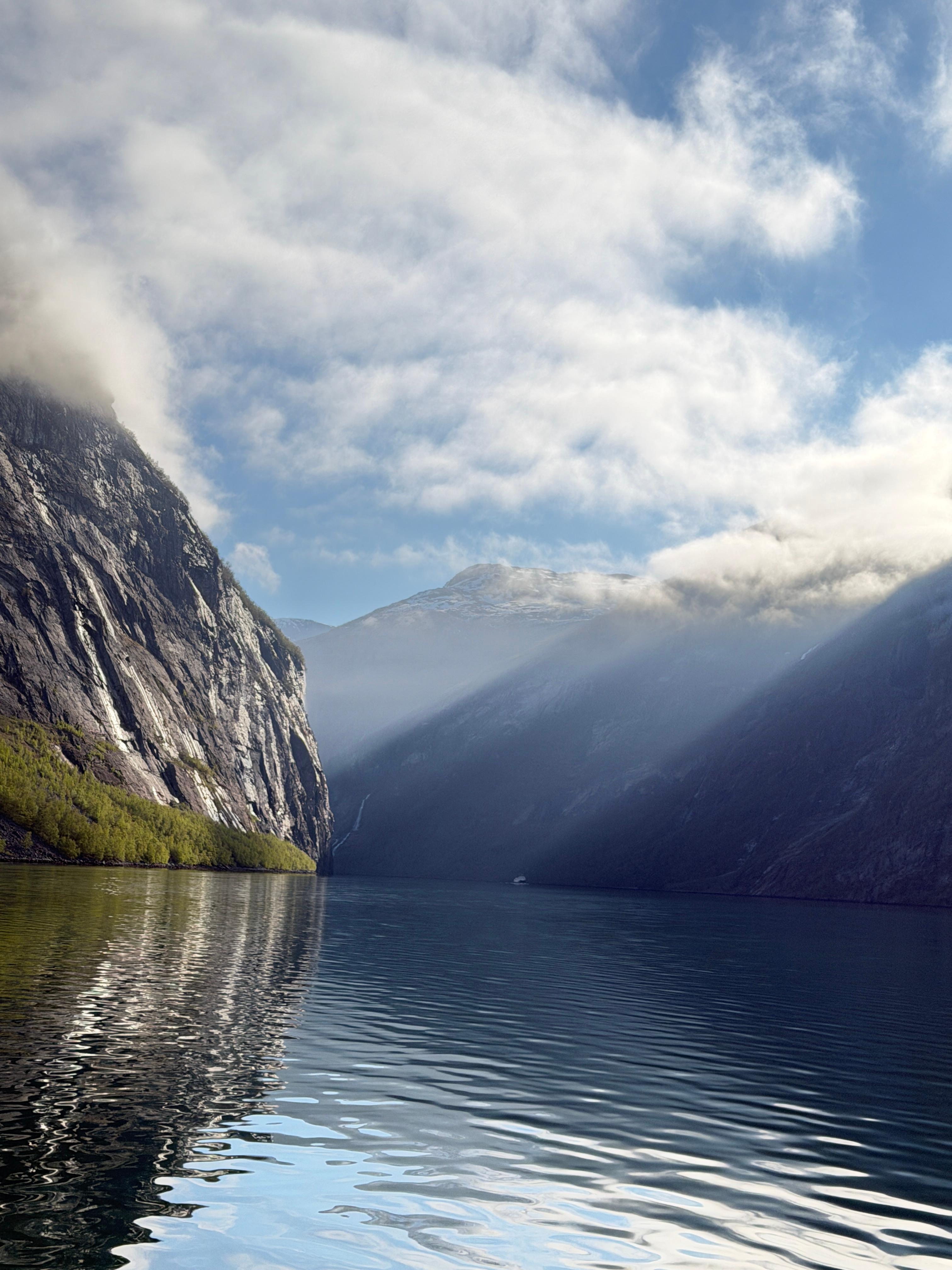
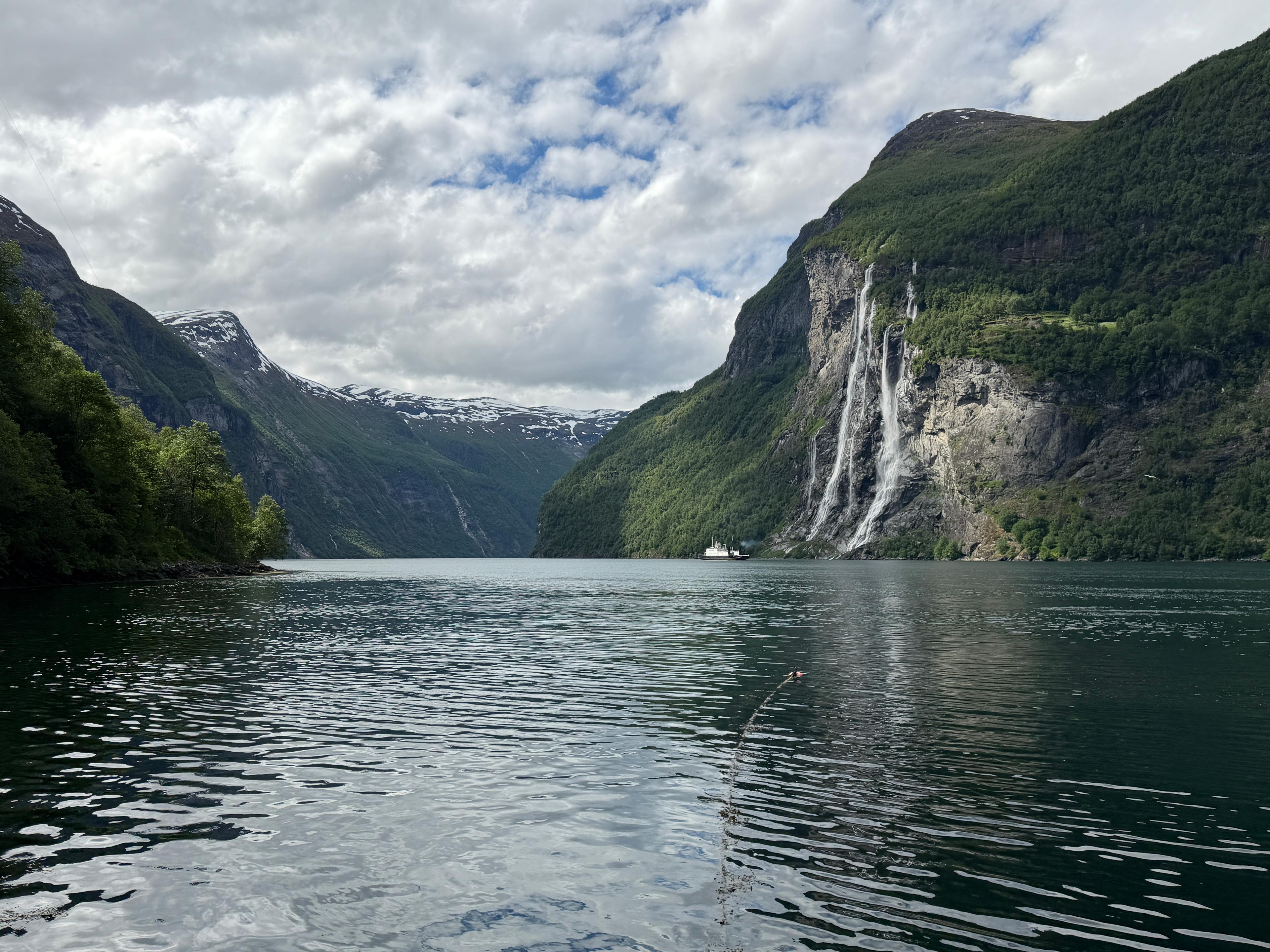
Geiranger has a landscape shaped by the forces of nature over thousands of years, where steep mountainsides, powerful waterfalls and the deep fjord create one of the world’s most distinctive natural areas.
In 2005, the Geirangerfjord was inscribed on UNESCO’s World Heritage List together with the Nærøyfjord. World Heritage status is an international recognition of a landscape with exceptional natural value – an area considered to be one of the most beautiful and best-preserved fjord landscapes in the world.
For generations, people have traveled here to experience the contrasts between fjord, mountains and waterfalls. It is these same encounters with nature that still make Geiranger one of Norway’s most visited destinations.
UNESCO World Heritage
World Heritage status is about more than beautiful nature. The Geiranger fjord is a living cultural landscape where people, for hundreds of years, have lived side by side with dramatic forces of nature.
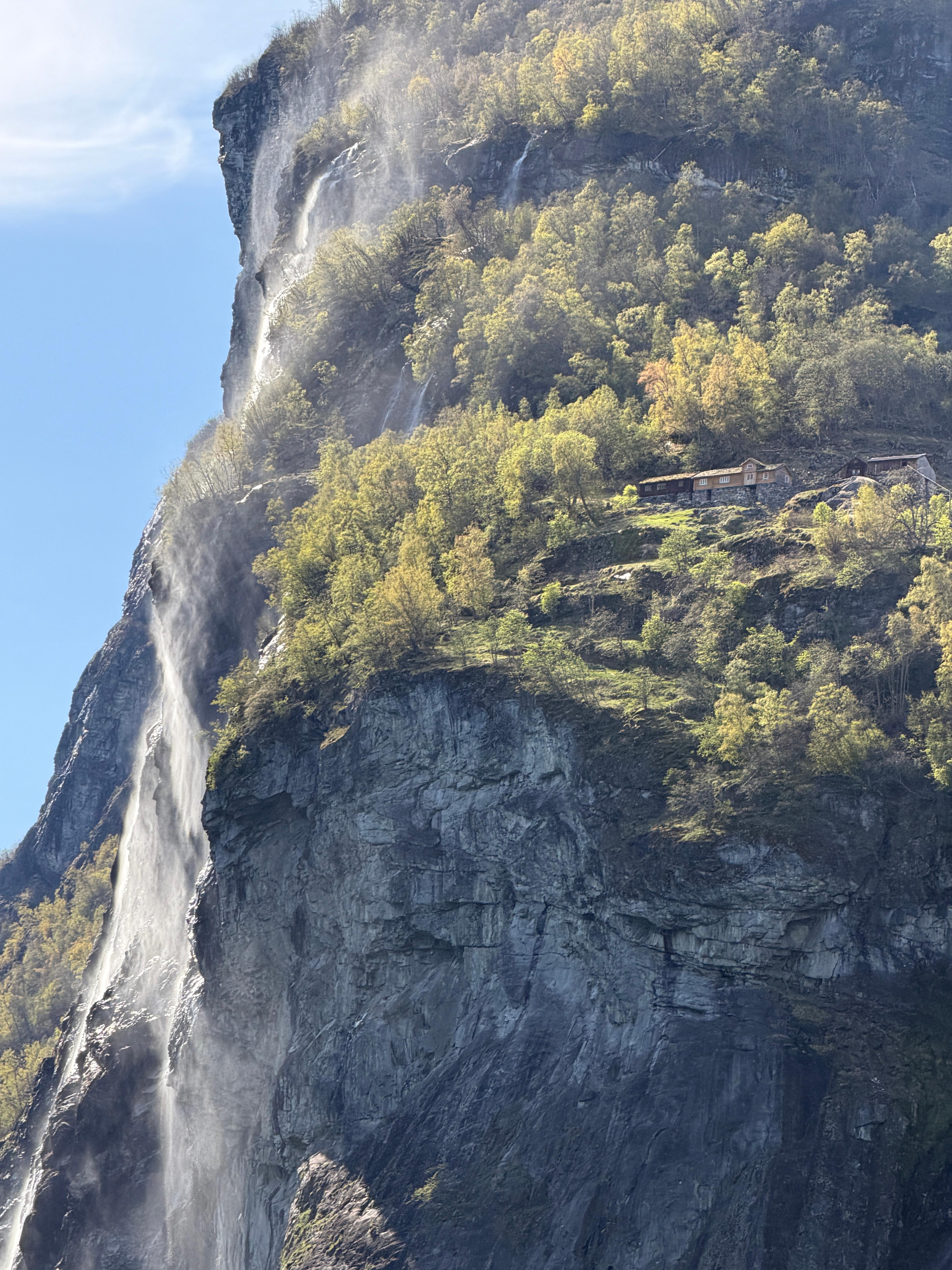
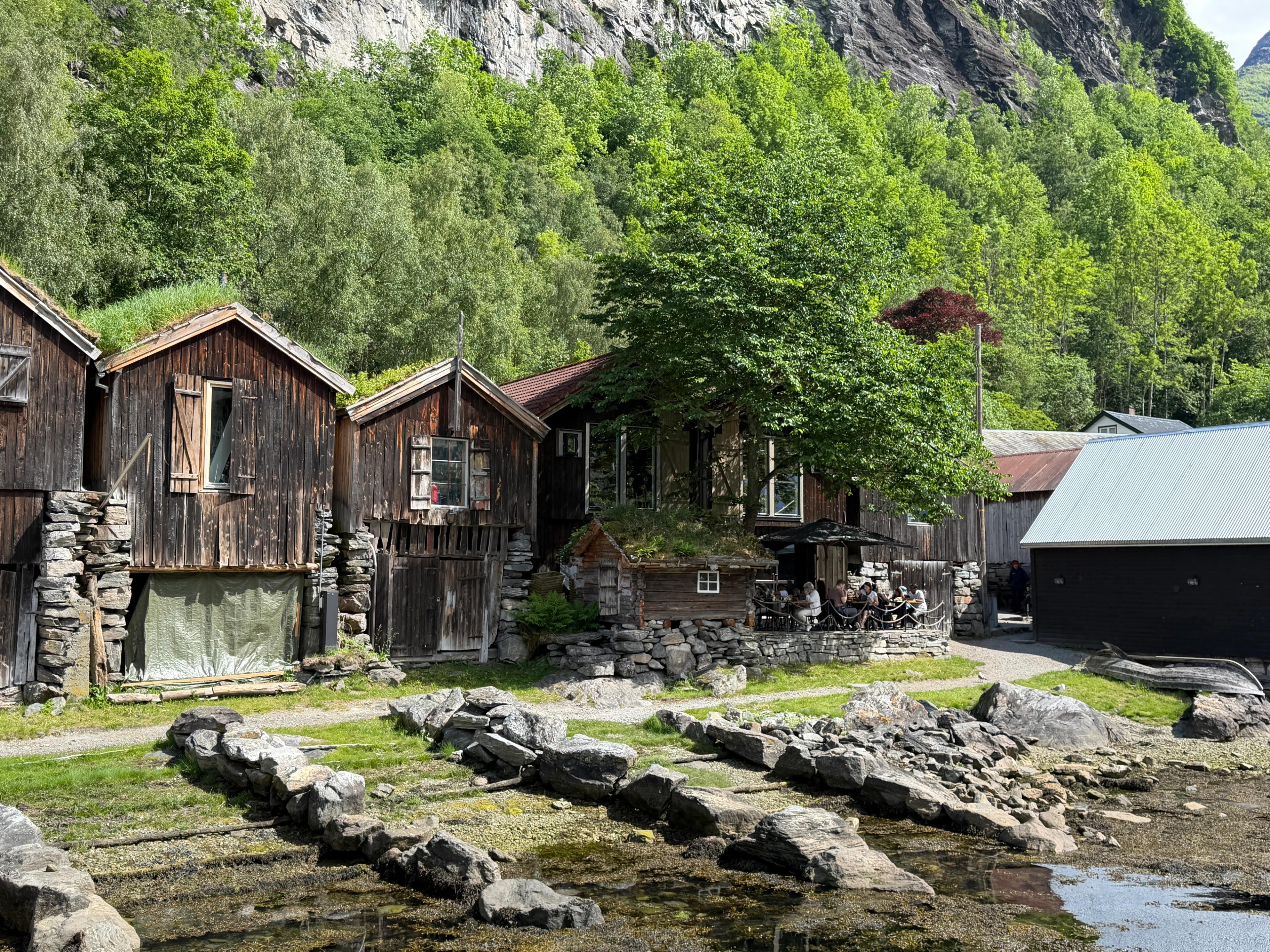
The steep mountainsides, the abandoned mountain farms and the many waterfalls tell the story of a landscape shaped both by nature and by the people who once lived here.
Viewpoints that take your breath away
Around Geiranger you’ll find some of the most famous viewpoints in Norway.
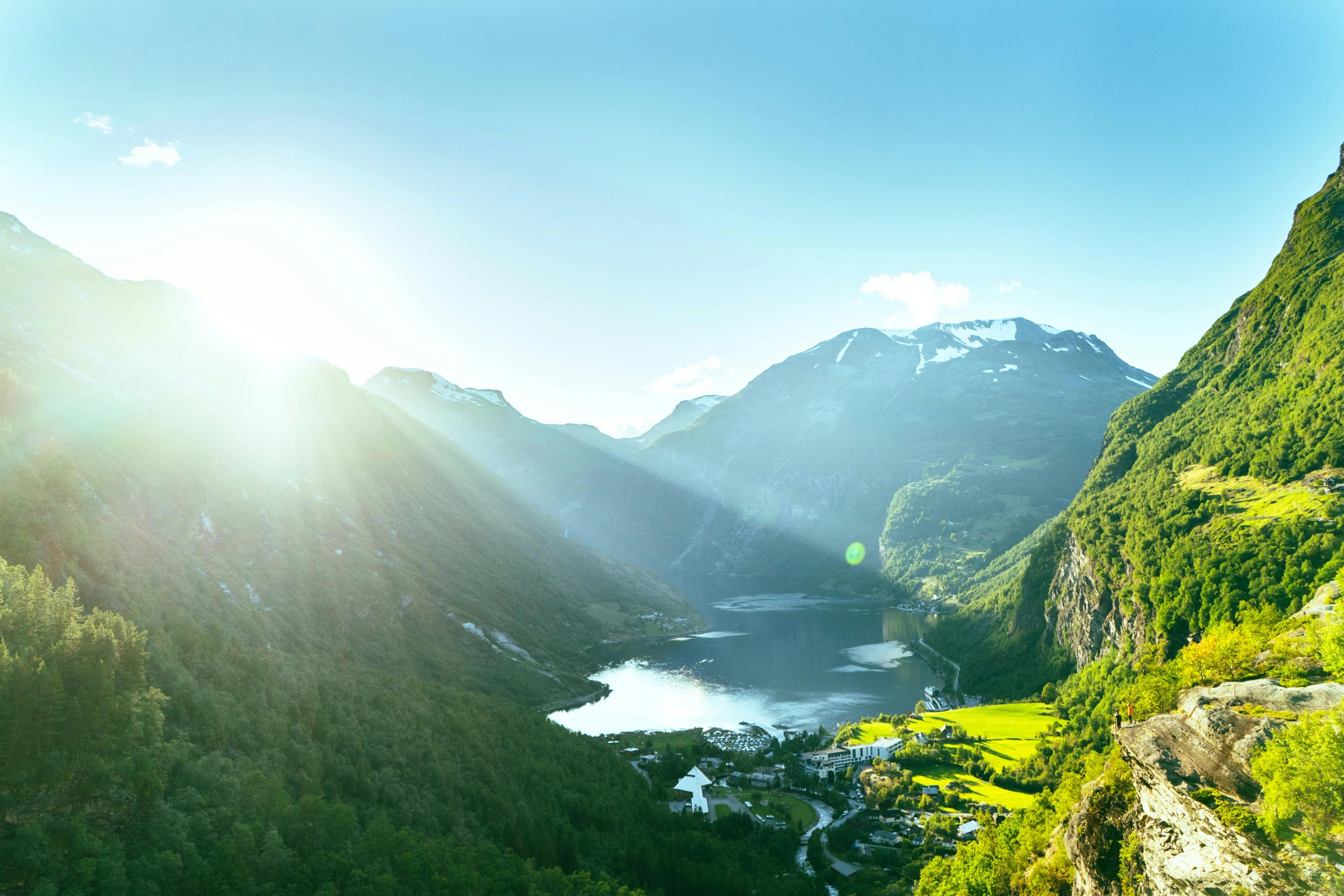
Flydalsjuvet
The most photographed viewpoint in Geiranger, offering panoramic views of the fjord, the village, and the surrounding mountains.
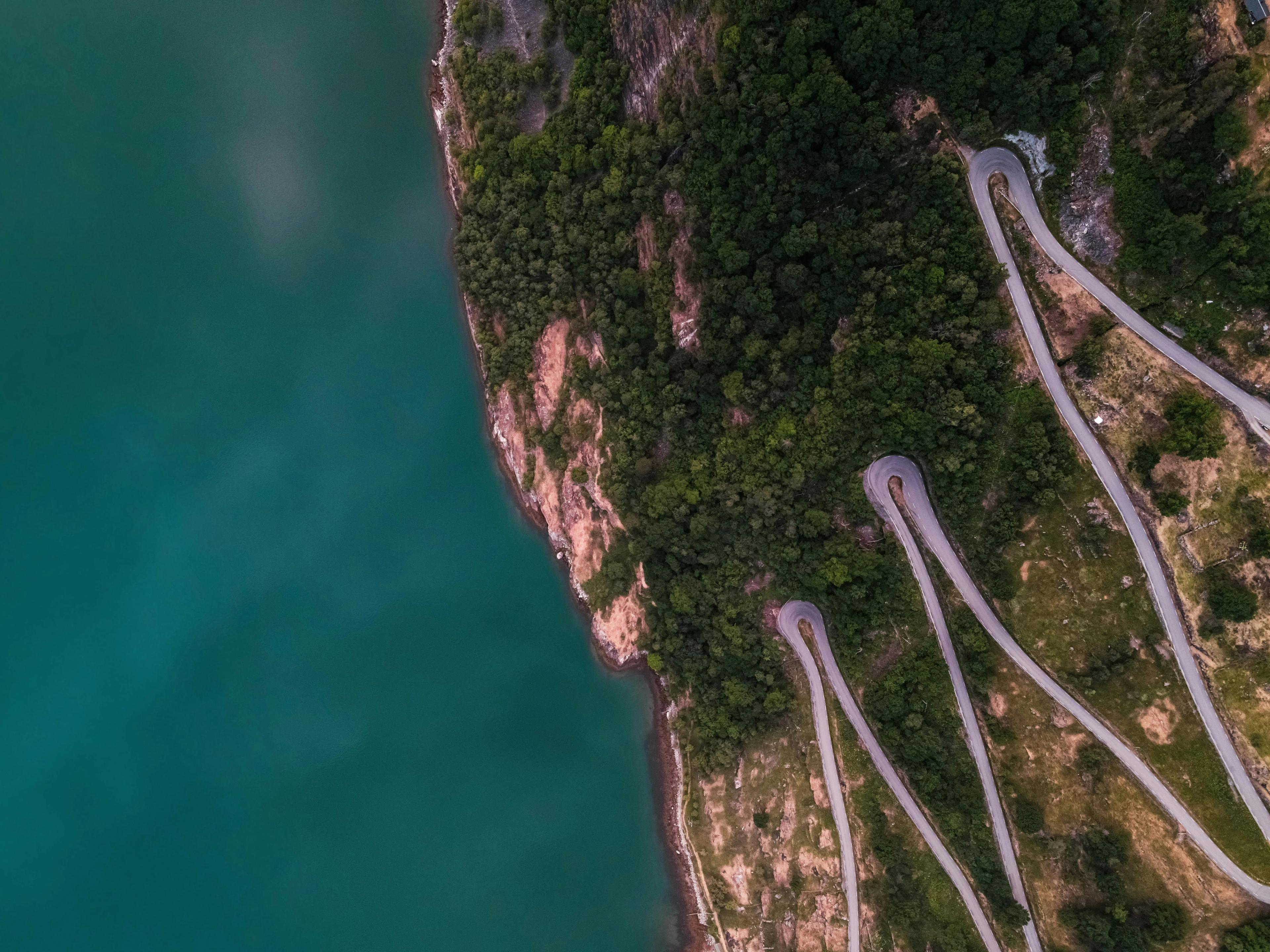
Ørnesvingane
Eleven hairpin bends above the village lead you to a viewing platform with sweeping views of the Geiranger fjord and the waterfall The Seven Sisters.
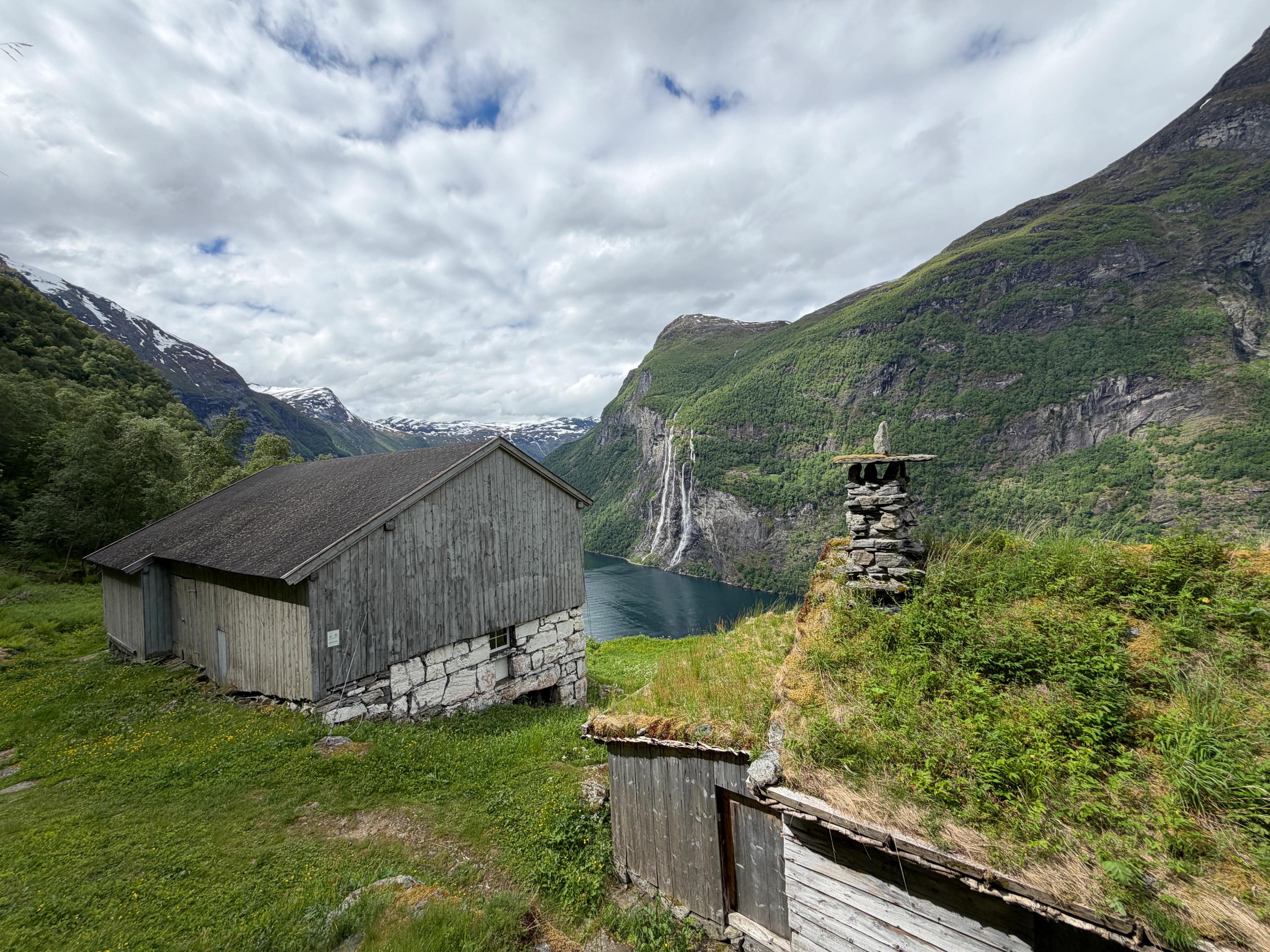
Skageflå
This historic mountain farm is spectacularly situated above the fjord and is one of the most popular hiking destinations in the area.
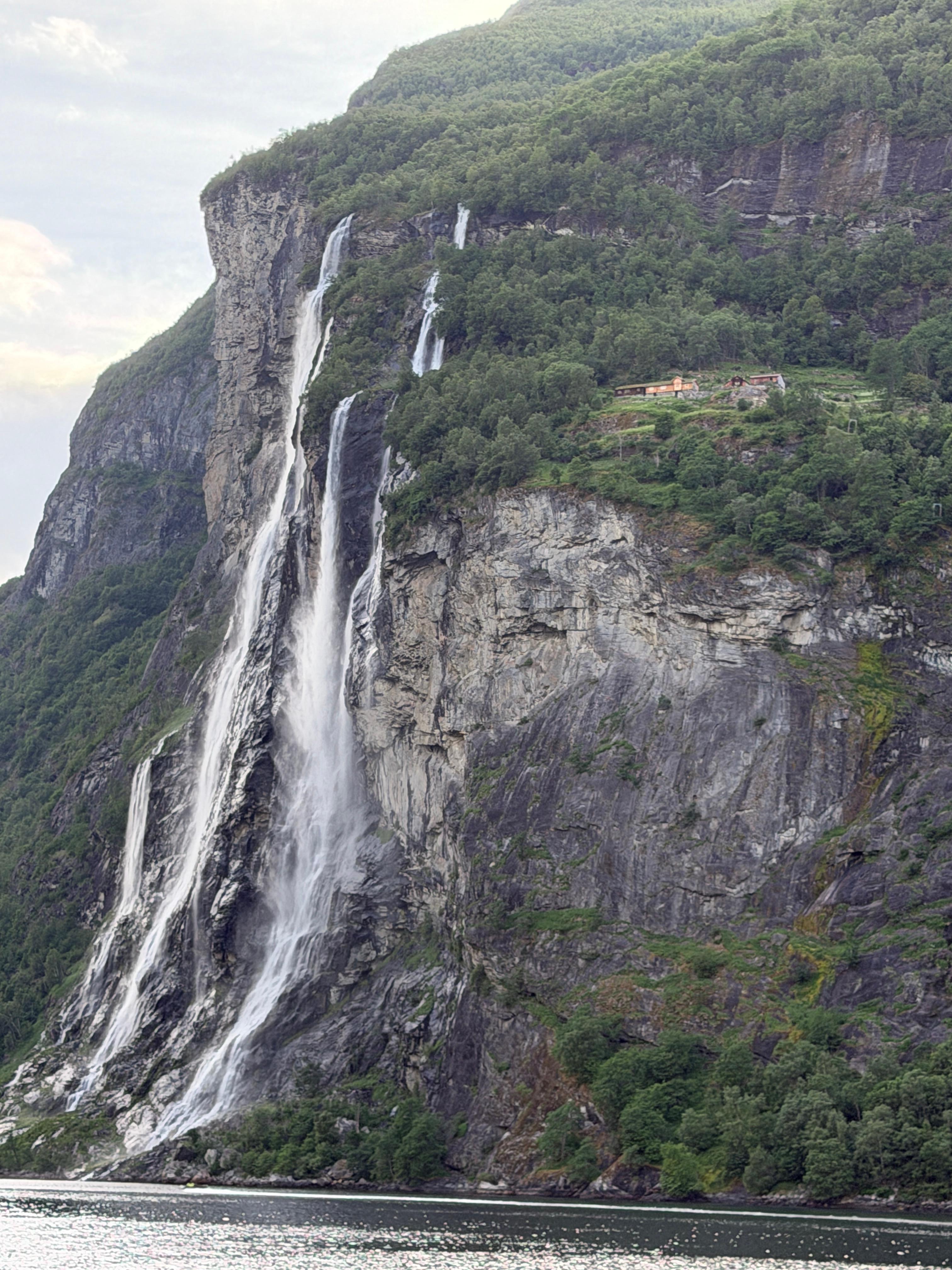
The Waterfalls
The fjord landscape is famous for its many waterfalls that plunge down the steep mountainsides. The most famous are The Seven Sisters, The Suitor and The Bridal Veil – each with its own legends and stories.
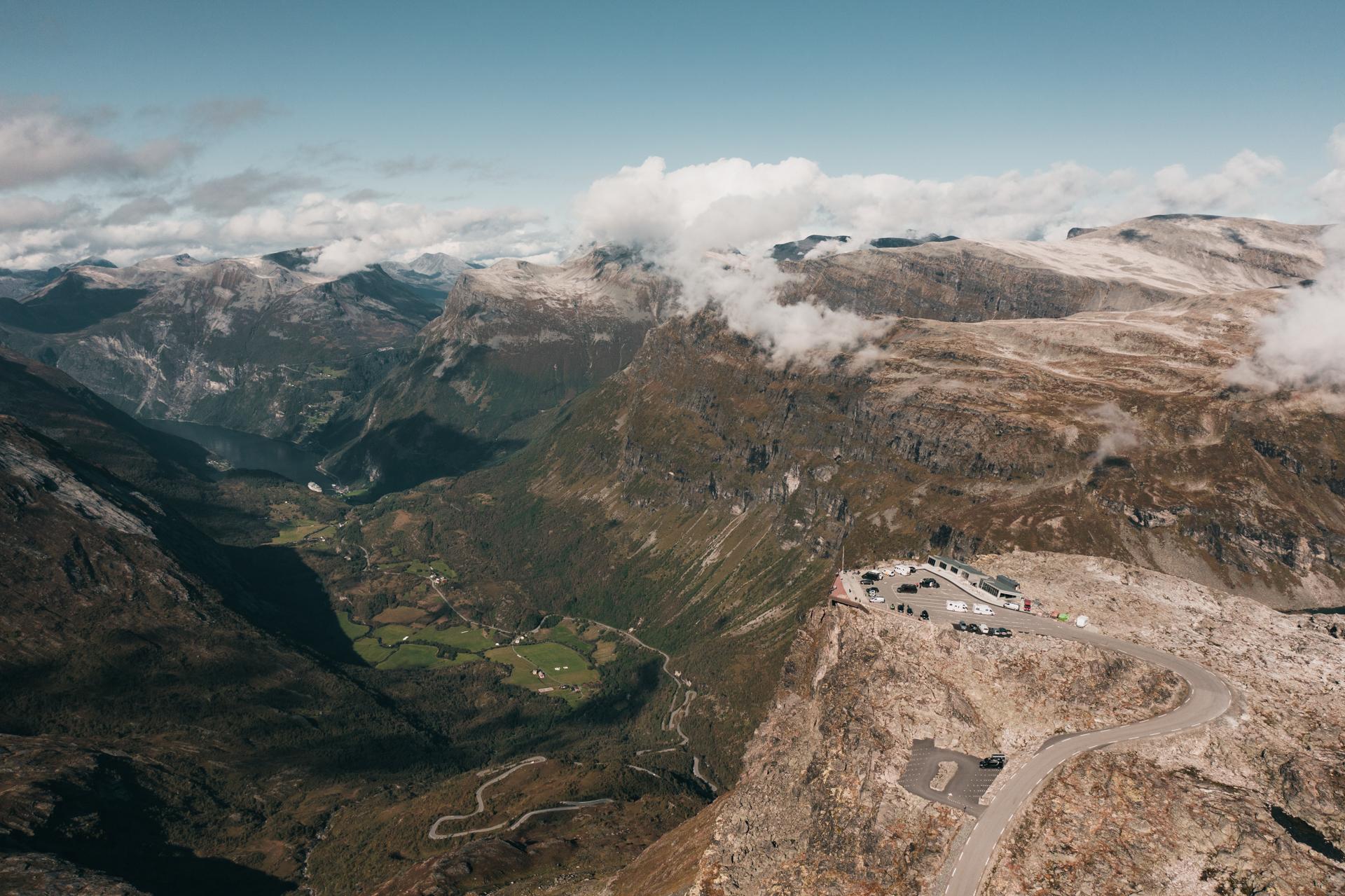
Geiranger Skywalk
1,500 metres above sea level, one of Europe’s highest viewing platforms awaits you, with a road taking you all the way to the top.
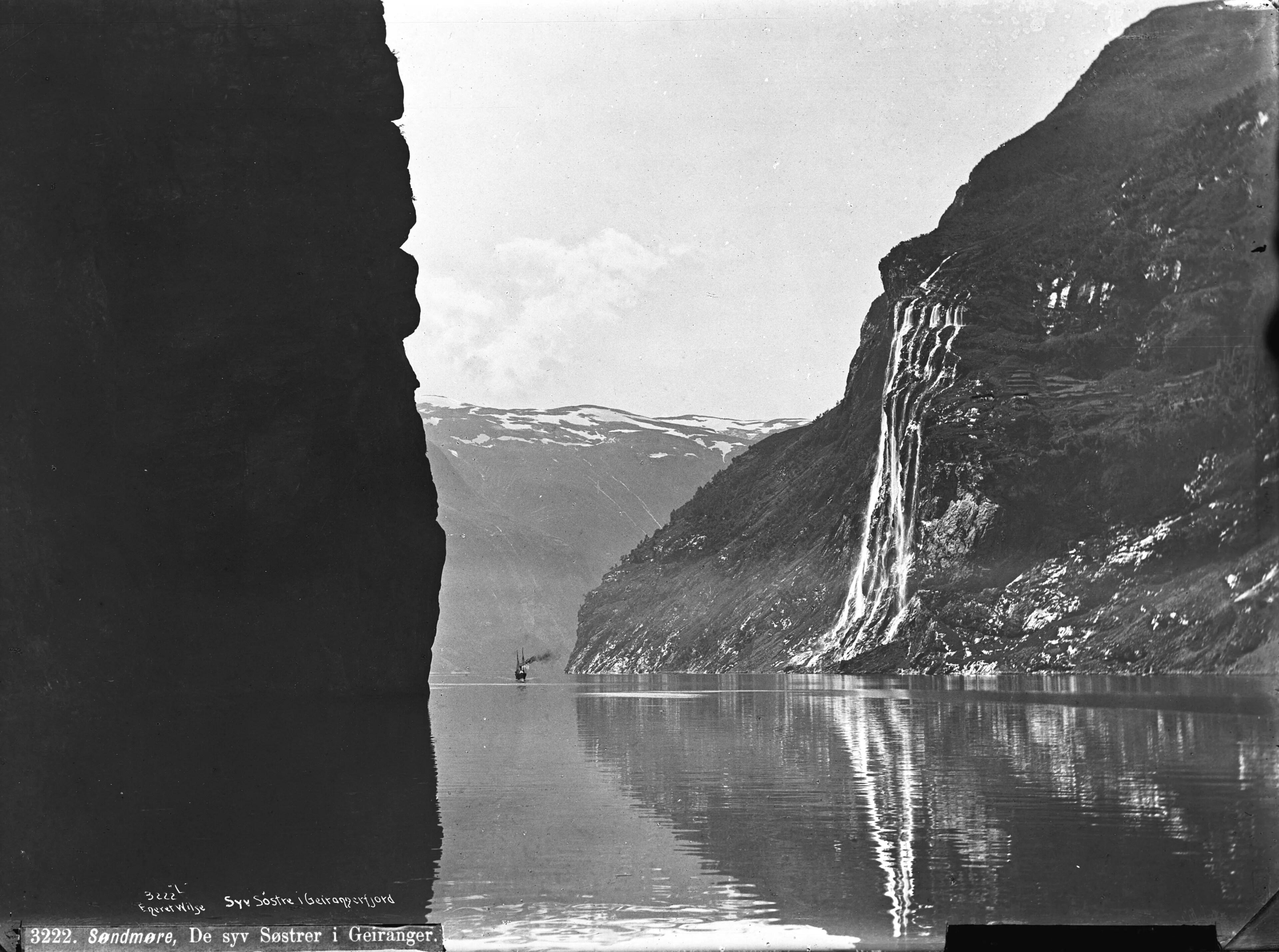
A story shaped by tourism
Geiranger has welcomed travelers since the mid-1800s. The first tourists arrived by steamship to experience the nature that had begun to fascinate Europe.
Tourism laid the foundation for the village’s development, and many of the historic hotels, farms and travel routes still bear witness to this pioneering era. Hotel Union in Geiranger has been part of this story since 1891.
Geiranger today
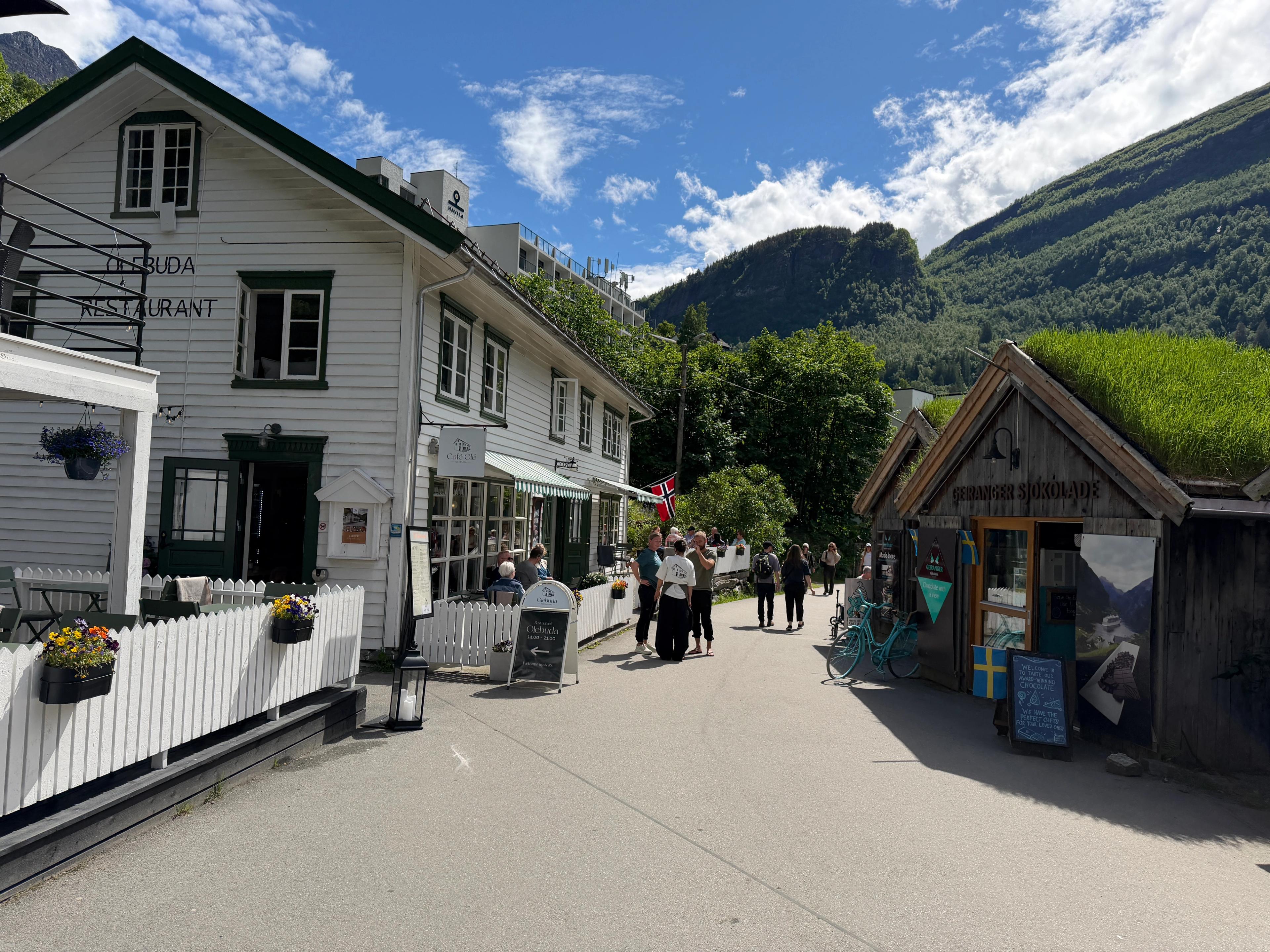
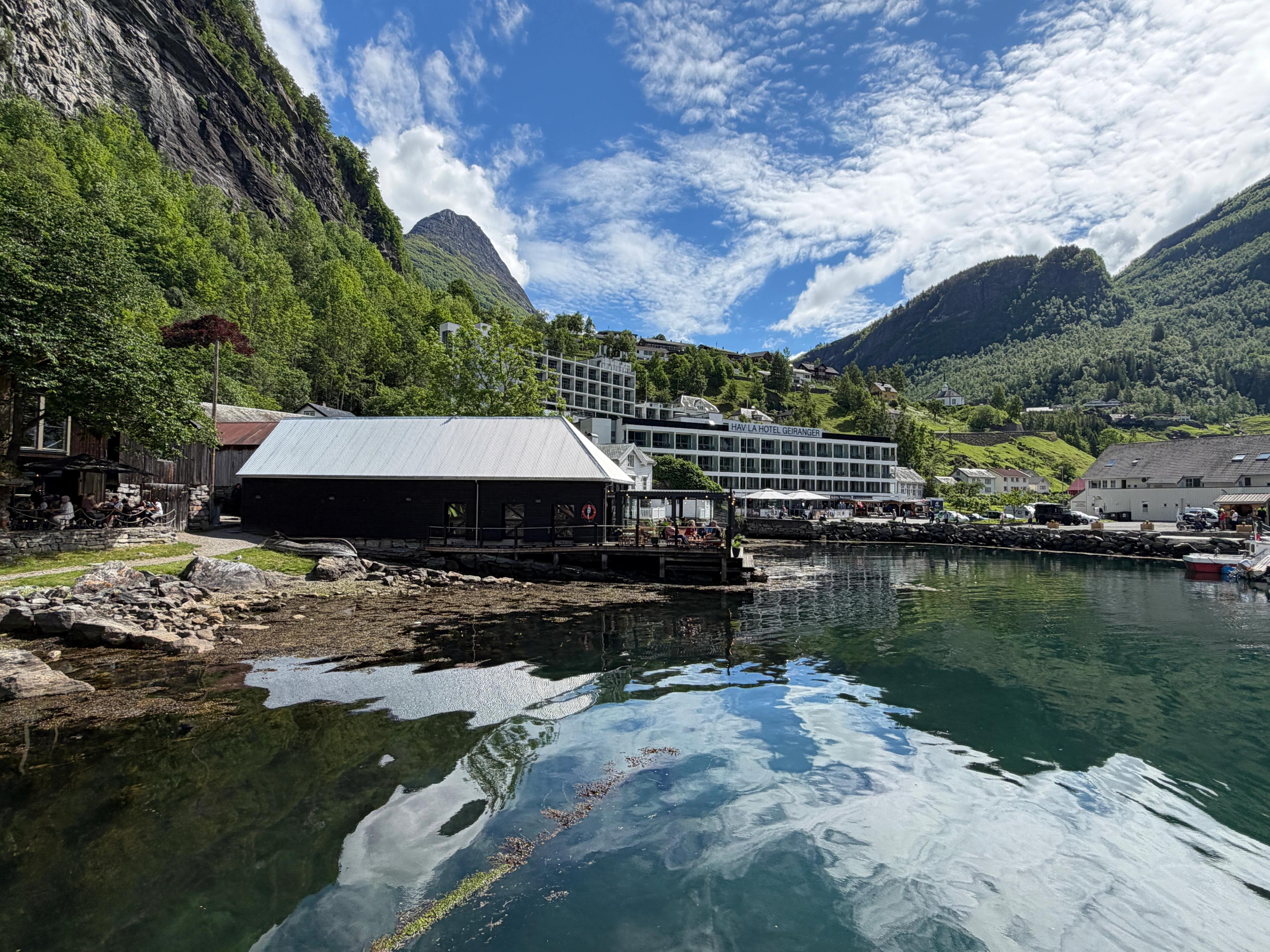
Geiranger is a vibrant destination that combines magnificent nature with activities, culture, and local history. Throughout the year, travelers from all over the world come to experience the fjord from the sea, explore the mountains on foot or by bike, visit historic farms, and take in the views from some of Norway’s most famous viewpoints.
Even though nature is the main attraction, Geiranger offers far more than spectacular scenery. Here you’ll find local restaurants, museums, guides and activities that share the stories of the people who have lived and worked in this dramatic landscape for generations.
Geiranger is also a destination for every season. Summer offers long days and vibrant fjord life, autumn brings clear colours and calm, winter wraps the landscape in silence and snow-covered mountains, and spring reveals waterfalls that showcase the forces of nature at their most impressive.
No matter when you arrive, experiences await that make Geiranger far more than just a stop along the way – it is a destination worth taking your time to enjoy.
Experience Geiranger all year round
Geiranger changes character throughout the year. In summer, the fjord fills with boats and activity. Autumn brings clear colours and calmer days. Winter creates a completely different atmosphere, with snow-covered mountains and frozen waterfalls, while spring is the time when the waterfalls show themselves at their most powerful.
Each season offers new perspectives on the same landscape.